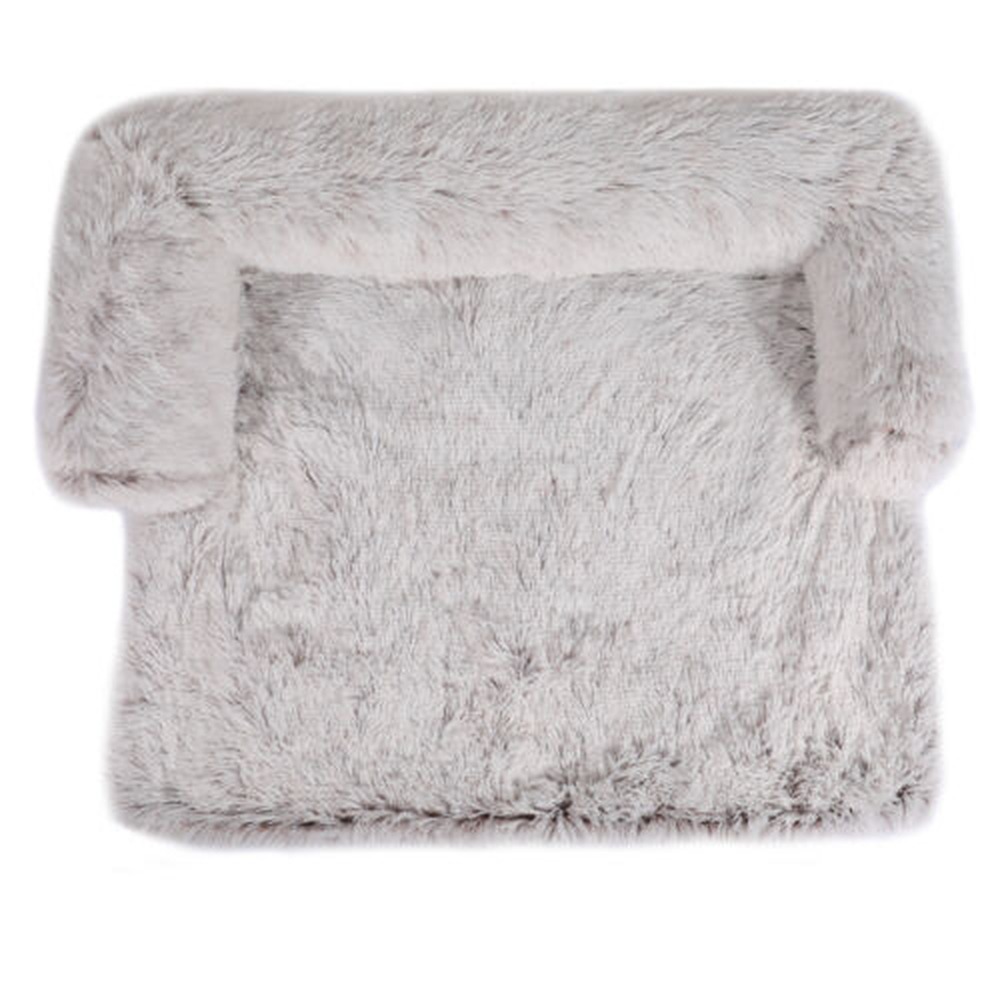
Calming Bolster Dog Bed
The 60-second answer: the wraparound plush sides are a head pillow and an enclosed boundary in one — they support how dogs actually sleep (curled, head propped) and give anxious sleepers the den-feel they seek by cramming against couch arms.
Size L · Free US shipping · 30-day happy-pet returns
Secure checkout via PayPal — pay with PayPal balance, Visa, Mastercard & more
Read the scienceBuy with a clear paper trail
Not ready to buy? Get the free tips instead
Practical pet behavior tips, one short email. No spam, unsubscribe anytime.
- ✓ Wraparound bolster sides = head/neck support + den-like boundary
- ✓ Deep high-elastic fill cushions joints; warm in winter
- ✓ Removable & fully machine washable — re-fluffs in the dryer
- ✓ Non-slip dot base for tile & hardwood
Why it works — the mechanism
Watch where anxious dogs choose to sleep when the bed is flat: jammed against a couch arm, wedged in a corner, curled under a table — pressing their body against something solid. That's the denning/nesting instinct: enclosed boundaries reduce vigilance and let sleep deepen. A bolster bed recreates that boundary anywhere in the house. The raised plush sides add the second mechanism — most dogs sleep curled with their head elevated, and a propped head-and-neck position means less shifting during the night. For seniors, deep fill eases pressure on elbows and hips. This is comfort engineering, not sedation: it lowers settling time and night-time restlessness for most dogs, and it won't touch true separation anxiety or noise phobia (those are behavior-modification projects).
Full specifications & sizing
Specifications below are from the supplier's listing. We are physically verifying them with an incoming sample and will correct anything that doesn't match.
| Spec | Detail |
|---|---|
| Shape | Rectangular sofa-style bed with wraparound bolster sides |
| Outer material | Long-plush faux fur (pet-safe, no loose fibers) |
| Fill | High-elastic PP cotton — re-lofts in dryer |
| Base | Non-slip dot fabric |
| Care | Detachable, machine wash cold gentle; tumble dry low; no fabric softener |
| Colors | Grey |
| Size | Suits | Dog weight | Example breeds |
|---|---|---|---|
| L (ships) | Medium dogs | 30–55 lbs | Border collie, cocker spaniel |
📏 Rule of thumb: match your dog's weight, and when between sizes, size up. A slightly roomy bed beats a cramped one.
Bolster bed vs. orthopedic foam vs. mat
| Calming bolster | Orthopedic memory foam | Simple crate mat | |
|---|---|---|---|
| Anxious / restless sleeper | Best fit — den boundary + head support | Neutral | No security feel |
| Senior with arthritis | Good (mild–moderate) | Best — even joint support | Too thin |
| Warmth | High (plush traps heat) | Medium | Low |
| Machine washable whole | Yes (removable) | Cover only | Yes |
| Chew resistance | Low | Medium | Medium |
| Best for | Settling, nesting, warmth | Joint patients, seniors | Budget crate use |
Introducing the bed (3 steps)
- Placement: put it where your dog already chooses to sleep — corner of the bedroom, near the couch. Familiar location beats "aesthetic" location.
- Scent transfer: put a worn t-shirt or their current blanket inside for the first nights.
- Reward settling: drop a treat on the bed whenever you catch them resting in it. Don't force them in — choice is part of the calming effect.
Buying with confidence
We publish reviews only from customers who bought through The Pet Why. Until those exist, rely on the written delivery terms, 30-day return policy, PayPal payment record, and our review standard.
Questions dog owners actually ask
Do calming dog beds actually work?
What size calming bed should I get?
Is the calming bed machine washable?
Is a bolster bed good for senior dogs with arthritis?
Will my dog destroy the bed?
Does the bed flatten over time?
What are the limits?
Where this product stops working, and what it does not do:
- It is a comfortable place to rest, not a treatment. It does not resolve separation anxiety, thunder phobia, or compulsive pacing.
- Not for dogs who destroy bedding — the filling can be swallowed. Supervise the first week.
- Bolsters trap heat. Skip it for dogs that overheat easily, and for puppies still in the chew-everything stage.
- Size matters more than shape: measure nose to tail while the dog is stretched out. A bed they cannot fully stretch in gets abandoned.
- If a dog cannot settle anywhere, that is a veterinary or behavior question, not a bedding question.
What the "calming bed" claims actually mean
Our guide separates marketing from mechanism: the denning instinct, why dogs sleep curled with their head propped, when a bolster bed helps versus when the answer is a vet visit.
Read: Do calming dog beds work? →